Nursery Bedding · Practical Guide
Choosing a Naturepedic Crib Mattress: Materials, Fit, and Safety Questions
A crib mattress is a modest object with a consequential job: it must fit the crib, provide a firm, flat sleep surface, and stand up to the practical realities of infant care. If you are considering a Naturepedic organic crib mattress, look past broad claims and compare the specific model’s construction, dimensions, care instructions, and documentation.
Published October 19, 2026
Shopping for a crib mattress can feel like a choice between two kinds of reassurance. One is about the sleep surface itself: its firmness, fit, and condition. The other is about what went into making it: cotton, waterproof layers, fire barriers, certifications, and the words “organic” or “non-toxic.” Both deserve attention, but they answer different questions. A material preference does not replace a safe setup, and an appealing product description does not prove that every model in a brand’s range has the same features.
Naturepedic makes several crib mattress configurations, including lightweight and two-stage options. Product names and specifications can change, so the useful habit is to evaluate the exact model being considered rather than assume a detail applies across the line. Before buying, confirm the current manufacturer’s specifications and the requirements for your crib. The goal is not to decipher marketing language; it is to know what you are bringing into the nursery and how it will work there.
Start with the sleep setup, not the label
For an infant, a mattress is one part of a larger sleep environment. The American Academy of Pediatrics advises placing babies on their backs for every sleep, on a firm, flat, non-inclined surface intended for infant sleep, with only a fitted sheet. Soft objects and loose bedding—including pillows, quilts, comforters, and stuffed toys—should be kept out of the sleep space. Follow current safe-sleep recommendations and the instructions supplied with the crib and mattress.
These basics apply whether a mattress is made with conventional materials or organic cotton. “Organic” describes aspects of material sourcing and processing; it does not, by itself, establish that a sleep setup is safe. Nor should a mattress be softened with a topper, pad, or extra layer unless the crib and mattress manufacturers specifically permit that product for the intended use. In an infant’s crib, keeping the surface firm, flat, and clear takes priority over adding plushness.
That distinction is worth holding onto as you compare products. A family may reasonably prefer certain materials, seek a lighter mattress for easier sheet changes, or want a surface that can be wiped clean. Those preferences can help narrow the field. They do not override fit, condition, or the safe-sleep instructions that apply to the child and crib.
What does “organic cotton” tell you?
Organic cotton may appeal to caregivers who want to understand the origin and processing of textile components. But a mattress is not a single fabric. It can include a cover, fill or support structure, waterproof layer, seams, and fire-protection components. A label on one material does not automatically describe every component in the finished product.
Read the model’s materials list closely. Ask which parts are organic, whether the claim applies to the cover, fill, or both, and what lies beneath the surface. For certifications, check the scope: which components or manufacturing stages are covered, and what standard does the certification represent? Certification names and requirements differ, so a careful reader should look for current documentation from the certifier or manufacturer instead of treating a logo as a universal guarantee.
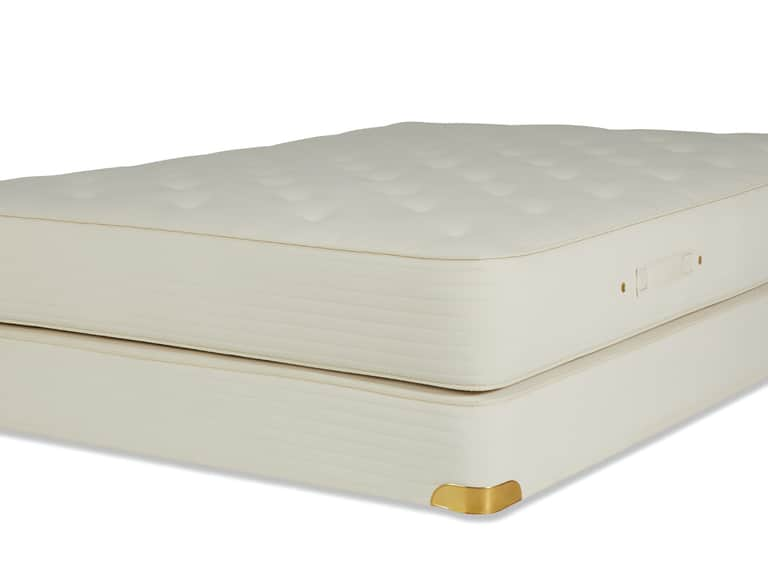
For the listed Naturepedic Lightweight Organic Cotton Crib Mattress, the product information describes organic cotton construction, a waterproof surface, a seamless design, and a fire-protection system. It also describes a support structure using WaveSupport technology rather than foam. These are model-specific details, not a promise that every Naturepedic crib mattress is built identically. Confirm the current specification sheet for the exact version and size you are considering.
Materials can matter for reasons beyond preference. A surface that is easier to clean may be useful during frequent changes. A construction without foam may be important to a family comparing particular materials. But broad claims such as “chemical-free” are difficult to interpret literally: all physical materials are made of chemicals. More useful questions are concrete ones—what is present, what standard is met, how is the product tested, and where can the documentation be reviewed?
Waterproofing and cleanup: practical benefits, specific questions
Infant mattresses encounter spills, leaks, and other messes. A waterproof surface can make cleanup more straightforward and help keep moisture from reaching the mattress interior. The construction of that barrier matters, however. Ask what material forms it, whether the surface is seamless, and what the manufacturer recommends for cleaning. “Waterproof” describes resistance to moisture; it does not mean the mattress needs no routine care.
Seams and openings deserve a look, too. A product description may present a seamless surface as a design feature, but the key is to understand the construction and care instructions for the particular model. Avoid unapproved cleaning chemicals or procedures that could damage the cover or barrier. If the mattress becomes wet inside, develops a persistent odor, or shows signs of damage, consult the manufacturer’s guidance about whether it remains suitable for use.
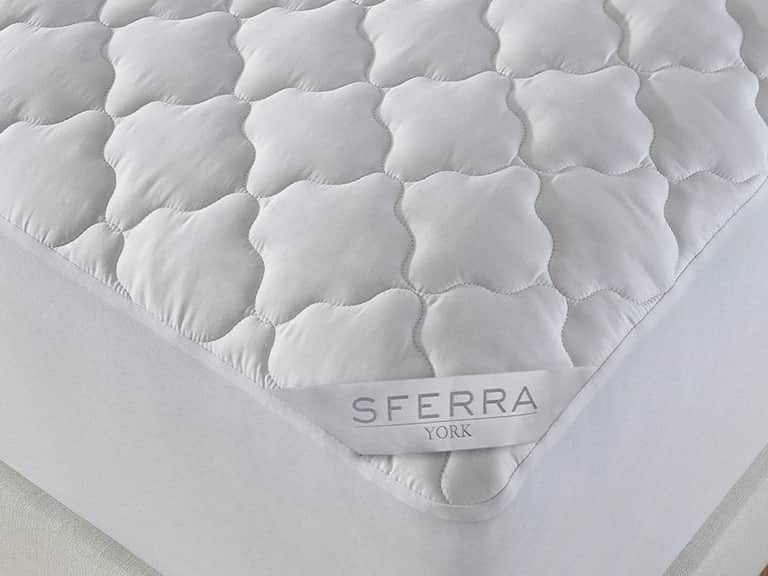
Care instructions should be practical for the household that will use the mattress. Check whether the surface can be wiped down, whether the cover is removable, and what to do after a larger spill. A protector may seem like an easy addition, but any extra layer used in a crib should be compatible with the mattress and crib instructions and must not compromise a firm, flat fit. When uncertain, ask the manufacturer rather than improvising.
Fit is measurable—and worth checking at home
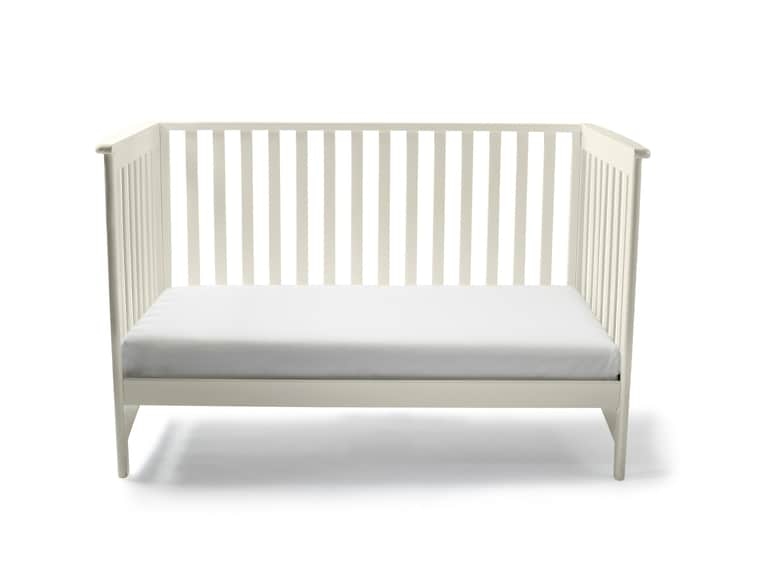
A crib mattress should match the crib’s specified size and sit snugly within its frame. Do not rely on a general phrase such as “standard size” alone. Check the mattress dimensions against the crib manual, including any limits on mattress thickness or approved configurations. A model described as fitting standard-size cribs may still need to be checked against the specific crib in your nursery.
Once the mattress is in place, inspect the fit around the perimeter. It should lie flat and should not be forced into the frame or leave a gap that concerns you. Follow the crib manufacturer’s instructions for checking fit; do not use improvised fillers or padding to close a space. If the mattress does not fit as directed, stop and contact the crib or mattress manufacturer for guidance. A good material profile cannot compensate for a poor fit.
Height matters as well. Compare the mattress thickness with the crib’s allowed range and the product’s listed dimensions. The surface should remain level and stable in the intended position. If a crib offers adjustable mattress support, use only the positions and setup approved in its instructions, and adjust as directed as the child develops. The crib manual is not fine print; it is part of the product’s safety information.
Lightweight or two-stage: which design fits your routine?
Lightweight construction is a convenience question with daily consequences. A lighter mattress can be easier to lift when changing sheets or cleaning the crib. Product listings for Naturepedic’s lightweight model describe it as weighing less than 12 pounds, though published details may vary by version. Verify the current model’s actual weight before relying on a figure, especially if lifting ease is a major reason for choosing it.
A two-stage mattress is designed with a different surface on each side, typically a firmer infant side and a somewhat more cushioned toddler side. That feature is intended for use as the child grows, but it does not mean the infant side should be made softer or that a parent should flip the mattress before the manufacturer’s stated conditions are met. Check which side is intended for each stage, how the sides are identified, and when the manufacturer permits turning the mattress.
Not every family needs a two-stage model. If you value a simpler product and expect to use the mattress only in one configuration, a single-stage option may be easier to understand. If extended use is appealing, determine whether the toddler side fits your plans and whether the crib itself remains appropriate for the child at that stage. Product longevity is useful only when the product continues to suit the child, the bed, and the instructions.
Firmness, feel, and what not to add
Adults often choose mattresses by how plush or contouring they feel. An infant crib mattress is different: the surface should be firm and flat, with the firmness appropriate for infant sleep. Do not judge it by adult comfort standards, and do not use a soft topper to change the feel. A mattress that feels comfortable to an adult sitting on it is not necessarily being assessed by the right criteria.
Read the manufacturer’s description of the intended surface and use, then follow safe-sleep guidance. Avoid adding pillows, quilts, loose blankets, positioners, or cushioning to make the crib feel more inviting. The safest setup is deliberately spare. For questions about a child’s individual health or sleep needs, consult a qualified healthcare professional rather than trying to solve them by altering the sleep surface.
A checklist before you buy
Use these questions to compare Naturepedic organic crib mattresses—or any crib mattress—without losing sight of the essentials:
- Exact model: What is the full model name and current model number? Are the specifications for the product you are actually buying?
- Dimensions: Does the mattress match the crib’s approved dimensions and thickness range?
- Fit: What do the crib and mattress manufacturers say about a snug, correct fit, and how should it be checked?
- Materials: Which materials make up the cover, support structure, waterproof layer, and fire-protection system?
- Claims and certifications: What does each certification cover, and can its scope be verified?
- Firmness and use: Is the product designed for infant sleep, and, if it is two-stage, which side is intended for each stage?
- Cleaning: How should everyday spills be handled? What should you do if moisture reaches the interior?
- Weight: Is the mattress light enough for the person who will regularly change the bedding?
- Returns and warranty: What are the current return, exchange, and warranty terms? Are there conditions that affect coverage?
- Setup: Do the crib and mattress instructions agree on how the mattress should be installed and used?
Common assumptions to leave behind
“Organic means safer in every respect.” Organic material claims can inform a purchasing decision, but they do not answer every question about fit, firmness, construction, or safe use. Consider each point separately.
“A waterproof mattress never needs care.” Waterproofing may make some cleanup easier, but it does not remove the need to follow cleaning instructions or check for damage. A compromised surface may need attention even if the mattress was originally designed to resist moisture.
“One model’s features apply to the whole brand.” Product lines change, and designs differ. A lightweight model, a classic version, and a two-stage option may have distinct dimensions, weights, and materials. Verify the exact configuration rather than relying on a general brand description.
“A snug fit can be fixed with extra padding.” Do not add homemade fillers, towels, or other materials around the mattress. If the fit is not right according to the crib’s instructions, contact the manufacturer before use.
The decision, in proportion
Choosing a Naturepedic crib mattress does not require treating every material claim as a verdict or every specification as a measure of parenting. It requires a steady sequence: confirm the model, compare its materials and care needs, match its dimensions to the crib, and follow current safe-sleep guidance. For some households, a lightweight design or a two-stage surface will be decisive. For others, clear documentation and straightforward cleaning may matter most.
The essential questions are plain, even when the product language is not. Will this mattress fit the crib as instructed? Is it intended for the sleep stage in question? Can the surface be kept clean without altering the setup? Are the materials and claims described clearly enough to evaluate? Answer those questions with the current product specifications and crib manual in hand. A well-chosen mattress is not a substitute for safe sleep practices, but it can make a nursery’s daily routine more considered, practical, and clear.