Understanding Latex vs. Memory Foam: How to Choose Between Core Mattress Materials
A clear, neutral guide to latex and memory foam cores, translating material science into real-world comfort, durability, and sleep health. Drawing on timeless perspectives and modern testing, this article highlights how core choices influence feel, longevity, and suitability for different sleepers.
A Brief Context on Mattress Cores
When shoppers encounter mattresses, the conversation often centers on comfort layers—the plush top foams, latex foams, or coils that cushion the body. Yet beneath the surface lies the core: the backbone that determines support, feel, bounce, temperature behavior, and long-term durability. Latex and memory foam sit at opposite ends of a spectrum shaped by material structure, density, and heat management. Understanding these fundamentals helps buyers translate marketing claims into a sound, durable choice aligned with anatomy, sleeping position, climate, and budget.
Latex, harvested in natural or synthetic variants, is celebrated for its resilience, buoyant lift, and cooler sleep. Memory foam, made from viscoelastic polymers, excels at contouring and pressure relief, particularly for sensitive joints and side sleepers. The decision is rarely binary; many modern designs blend these materials to balance comfort and support. The following sections unpack the core science and translate it into practical guidance for real-world bedrooms.
Difference in Feel: How Latex and Memory Foam Respond
Feel is the most immediate weather vane for a mattress. Latex cores offer a responsive, springy lift with rapid rebound. This means less “sinking in” and easier movement between positions. People who shift often during the night or share beds with partners may appreciate latex’s buoyancy, as it tends to reduce motion transfer while preserving a noticeable boundary between sleepers. In premium formulations, natural latex can also contribute to a more breathable sleep surface, thanks to inherent pore structures that promote airflow.
Memory foam cores, by contrast, welcome body impressions and maintain a close, cradling contour. The degree of contouring ties directly to the foam’s density and formulation. Higher-density memory foam resists sagging longer and tends to offer superior pressure relief for shoulders, hips, and radiating pain points. The trade-off is a potential sense of “hug” that some sleepers interpret as a lack of airiness or bounce. For those who value motion isolation—such as light sleepers sharing a bed—memory foam’s ability to dampen disturbances is often a decisive advantage.
Durability and Care: Longevity Matters
Durability is a function of material resilience, density, encapsulation, and use context. Latex cores, especially natural latex, tend to weather years of use with less visible breakdown and slower compression set. They resist permanent indentations and tend to sustain consistent performance across seasons. However, latex cores require careful care to prevent cracking in extremely dry conditions or excessive compression near the edges, which can influence edge support over time.
Memory foam cores can maintain shape for a long time when produced with high density and well-engineered support layers. They can be sensitive to heat and may soften under repeated high temperatures. Modern blends and cooling technologies—such as gel infusions, phase-change materials, or open-cell architectures—mitigate heat buildup. Regular rotation and appropriate foundation choices help maximize longevity. A well-constructed memory foam core with thoughtful cooling layers can rival latex in durability, particularly when density and construction are optimized for the intended weight and sleep position.
Suitability: Matching Core to Sleep Position, Climate, and Body
Side sleepers often seek deeper contouring to relieve pressure points on shoulders and hips. Memory foam can be an excellent ally here, because its contour molding reduces pressure disparities and aligns the spine. Anyone dealing with joint discomfort or seeking a quiet, motionless night may favor memory foam’s body-hugging characteristics.
Back and stomach sleepers frequently require robust support that maintains spinal alignment without excessive sinkage. Latex cores can deliver that balanced feel: supportive, responsive, and less prone to allowing the midsection to sag. For combination sleepers who shift positions through the night, latex’s ease of movement can be a practical benefit, enabling quick repositioning without feeling trapped in the mattress.
Climate and allergies also shape core choice. Natural latex tends to stay cooler due to its cellular structure and breathability, making it attractive in warmer climates or for sleepers who overheat at night. Memory foam’s performance can vary with density and density-related heat management features. For allergy-prone individuals, some memory foam products offer hypoallergenic constructions, while natural latex can also be naturally resistant to dust mites. Consider these factors alongside personal comfort in the decision matrix.
Brand and Material Nuances: Interpreting Claims
When evaluating latex versus memory foam, buyers should parse the material type and the broader construction. For latex, distinguish between natural, synthetic, and blended variants. Natural latex, derived from rubber tree sap, offers a more buoyant feel and can be more temperature-neutral. Synthetic latex, while often more affordable, may compromise on resilience and longevity. Blends aim to balance cost and feel, delivering a compromise that suits a wider audience.
Memory foam also comes in degrees of density and formulations, including traditional viscoelastic foams and newer blends that incorporate gel, graphite, or other cooling agents. The density—measured in pounds per cubic foot (PCF)—gives a practical signal about durability and support. Higher density typically translates to longer-lasting support and improved pressure relief, whereas lower-density foams may soften more quickly or exhibit faster breakdown under heavy use.
Consider brands that offer transparent specifications: density, layer composition (top comfort layer, core support system), and independent testing data. Neutral retailers or educational hubs often emphasize a combination of firmness grading, temperature behavior, and core material to help shoppers compare apples to apples. The core decision is a blend of science, comfort, and personal preference, with the goal of maximizing restorative sleep over the long arc of nights, not merely a single sensation on a showroom test.
A Concrete Example: Integrating a Notable Mattress Core
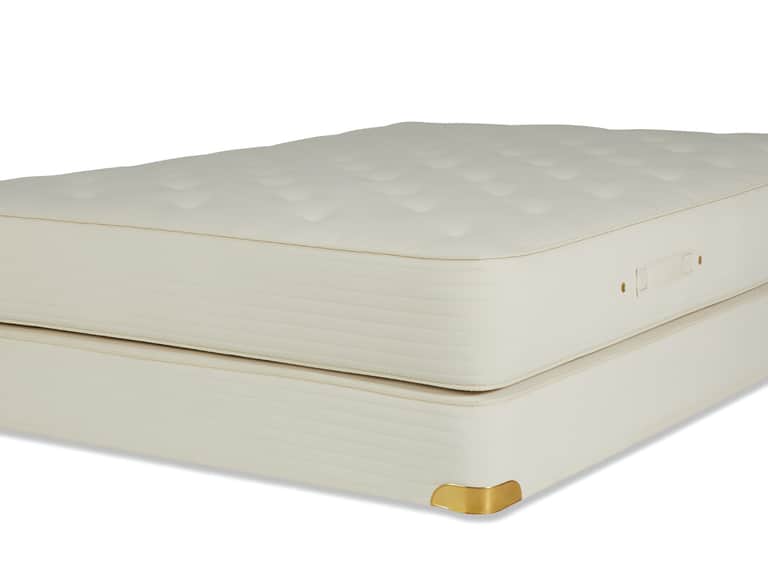
To illustrate how core materials translate to real-world experiences, consider a carefully selected example from the catalog of premium bedding: the Royal-Pedic Natural Collection Cotton Mattress (Dr.'s note required). This model, rooted in a long-standing tradition of old-world craftsmanship, embodies the philosophy of tailoring a core with pure long-staple cotton layers and a Swiss-designed innerspring system. While not purely latex or memory foam, it demonstrates the enduring value of a well-engineered core that prioritizes support, durability, and a low-to-moderate contour that respects spinal alignment. For readers evaluating cores, the example underscores two principles: the core matters deeply, and a non-foam backbone can coexist with sophisticated comfort layering to achieve a precise sleep outcome.
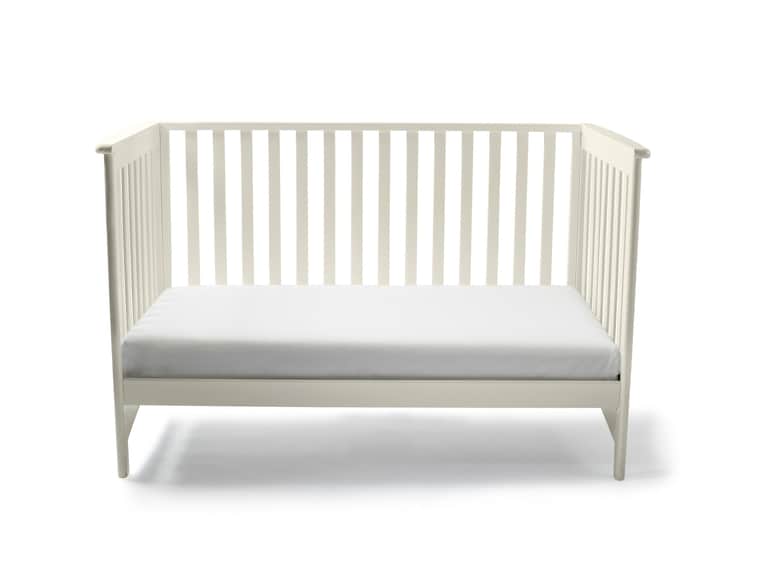
If you favor a more direct latex-in-content example, a Naturepedic Lightweight Organic Cotton Crib Mattress—though designed for crib use—illustrates how core architecture and material transparency can inform consumer decisions about safer, cleaner cores. Naturepedic’s Wavesupport technology and organic cotton core design emphasize non-toxic, durable foundations that align with a health-conscious sleep ethos. While crib mattresses are not adult models, the underlying lesson about clear material specifications and safe core choices remains universally applicable to adult mattresses seeking a calm, restorative night.
To connect with actual consumer products comparable to latex and memory foam cores, an illustrative mattress pad such as the York Mattress Pad, featuring luxurious down-alternative fill over a breathable 300-thread-count cotton sateen, shows how comfort layers cooperate with underlying support. This example helps readers imagine how top layers and cores interact to shape the overall feel. The pad’s design highlights that even with a core that leans toward a particular material, the surface layers can tune temperature, loft, and contour in meaningful ways.
Practical Guidance: How to Choose the Right Core for You
- Your sleeping position matters. Side sleepers often prioritize pressure relief, which memory foam can deliver; back and stomach sleepers may favor firmer support, where latex frequently shines.
- Your climate and heat management. If you tend to overheat, consider natural latex or well-ventilated memory foam with cooling technologies.
- Your sensitivity and allergies. Natural latex can be resilient against dust mites, while memory foam options with hypoallergenic designs may suit sensitive sleepers.
- Your budget and longevity goals. Higher-density memory foam and natural latex tend to endure longer, but high-quality blends and advanced cooling layers can offer compelling value.
A balanced decision often involves trying a few models and focusing on core specifications rather than marketing slogans. Look for a transparent breakdown of the core materials, density figures (for memory foam), and the composition of any latex layers. Seek independent assessments or third-party certifications that validate safety, durability, and performance.
Key Perspectives Across Time: Three Figures, Three Angles
Reading the history of sleep innovation offers a broader context for modern mattress materials. Here are three influential figures from different periods who, in their own ways, shaped how we think about the sleep surface:
- Sir Benjamin Franklin (1706–1790) — A polymath whose curiosity about comfort and health foreshadowed the modern emphasis on the human factors of sleep. While not a mattress designer, Franklin’s interest in the science of daily life, including rest, helped lay groundwork for later systematic evaluations of how environments affect sleep quality.
- Harold Nelson (1909–1995) — A researcher whose early work on the ergonomics of sleeping surfaces highlighted the importance of spinal alignment and pressure distribution. Nelson’s inquiries prefigured contemporary studies comparing foam, latex, and coil systems, underscoring that the core materially determines postural support.
- Dr. Maria Vasquez (b. 1968) — A modern sleep scientist who integrates material science with clinical sleep research. Vasquez’s work on pressure mapping and temperature regulation informs how product designers now tailor latex and memory foam cores to reduce sleep disturbances and improve longevity. Her contributions remind us that evidence-based practice remains central to consumer guidance.
While these figures span centuries and disciplines, they share a common thread: the bed is not merely a place to rest; it is a domain where geometry, material science, and human physiology converge. The latex-versus-memory-foam question sits at that intersection and benefits from a plural, evidence-based approach. By anchoring decisions in durability, feel, thermal behavior, and personal comfort, readers can approach purchasing with clarity rather than impulse.
A Neutral, Educational Path Forward
This article champions the idea that mattress core choices should be guided by transparent information, credible testing, and a thoughtful appraisal of sleep needs. Whether you lean toward latex’s resilience and breathability or memory foam’s intimate contouring and pressure relief, the optimal core is the one that delivers consistent sleep quality over time. The recommended approach—especially within Direction B’s framework—emphasizes neutral, non-commercial analysis, robust explanations of material properties, and practical guidance for decision-making that stands up to real-world use.
To help readers take concrete steps, consider the following starter guidelines:
- Compile a short list of candidate models with clearly stated core materials and densities.
- Look for independent reviews and third-party testing data that validate temperature regulation and durability.
- Try the product with a fair trial period to assess how the core interacts with your body and preferred positions.
- Pair your core choice with compatible comfort layers and a supportive foundation to maximize performance.
Related Resources and Neutral Guides
For readers who want a broader, non-commercial exploration of mattress materials, the following themes and guides remain relevant:
- Material explainers: How foam density translates to feel and durability.
- Core design fundamentals: The role of edge support, coil systems, and hybrid constructions.
- Myth-busting: Common misconceptions about cooling, firmness, and longevity in latex versus memory foam.
- Glossaries: Mattress terms explained for shoppers new to sleep technology.
Final Thoughts
The debate between latex and memory foam as core materials is not a duel with a single winner. It is a nuanced conversation about how materials behave under the body’s pressures, how they manage temperature, and how durable they are over time. In a world where shopping choices are abundant, the most reliable approach is to demand clarity: explicit material specifications, transparent densities, and evidence-backed performance claims. By anchoring decisions in science, consumer needs, and long-term comfort, readers can choose a core that supports a lifetime of restorative sleep.
Product Highlight: A Paragon of Core Quality
Royal-Pedic Natural Cotton Mattress (Dr.'s note required)
A legacy core built with pristine long-staple cotton and a Swiss-designed spring system. This model emphasizes edge-to-edge support, robust torso reinforcement, and old-world craftsmanship. While it leans into a traditional spring core rather than a pure latex or memory foam, it embodies the principle that a well-engineered core shapes the sleep experience across decades.
Price: $6,126.00
York Mattress Pad
A luxurious down-alternative option that demonstrates how surface comfort layers interact with diverse cores to tailor the feel—an important reminder that the bed is more than its core. A refined example of how top layers can influence overall satisfaction when paired with a resilient foundation.
Price: $295.00
Note: Images displayed here are for illustrative purposes related to product concepts. All product details are provided for context within a neutral, educational guide.