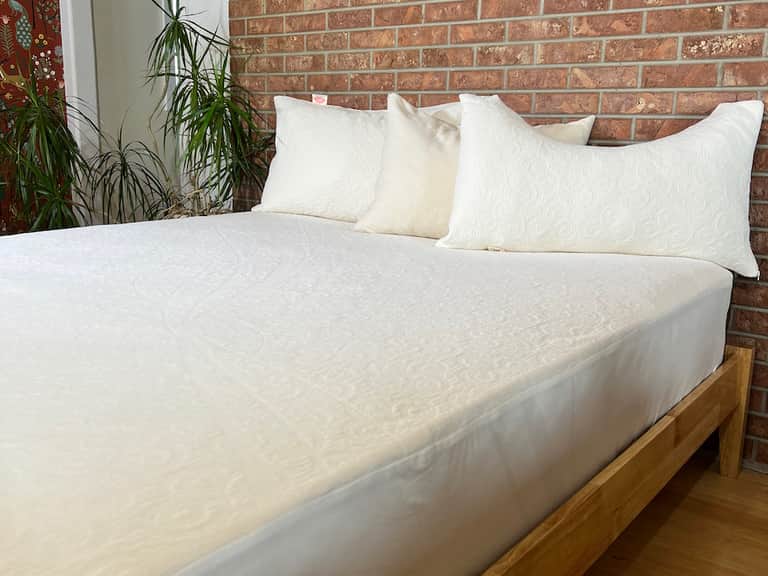
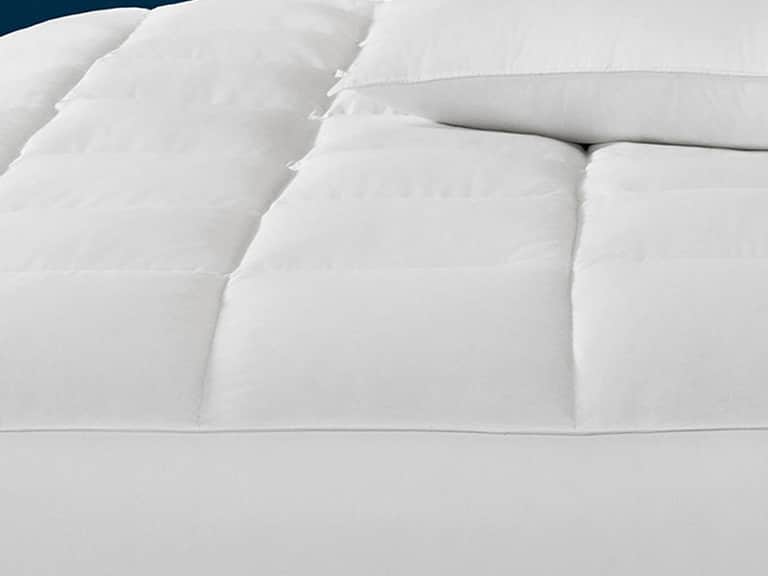
Bedding encompasses the essential textiles used to enhance comfort, hygiene, and temperature regulation in sleep environments. This category includes sheets, pillow options, and protective accessories designed to improve alignment and support during rest. Understanding fiber types, thread counts, and fill materials helps users select bedding that aligns with personal sleep needs and climate considerations.
Pillows are a central component of sleep ergonomics, with memory foam and down varieties offering distinct advantages. Memory foam pillows contour to head and neck contours, promoting spinal alignment and consistent support, while down pillows provide plush softness and adjustable loft. The choice depends on preferred firmness, sleeping position, and sensitivity to allergens.
Memory foam pillows, in particular, provide stable neck support and pressure relief by distributing weight more evenly. They help reduce movement during the night and maintain proper spinal alignment, which can contribute to decreased morning stiffness. Materials, cooling technologies, and densities influence heat dissipation and overall comfort.
Nursery bedding requires careful consideration of safety, softness, and durability. Lightweight, breathable fabrics with appropriate washability create a hygienic sleep surface for infants and toddlers. Protective mattress pads and gentle, non-irritating materials support healthy sleep environments while accommodating frequent laundering and long-term use.
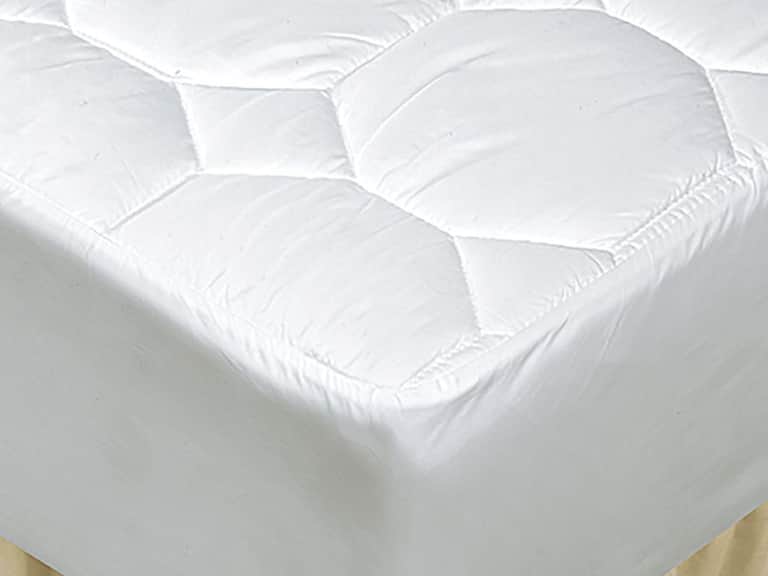
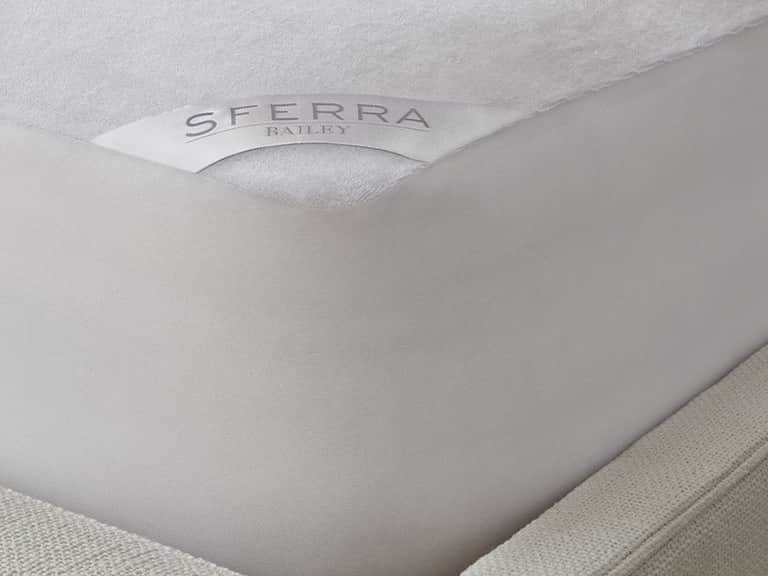
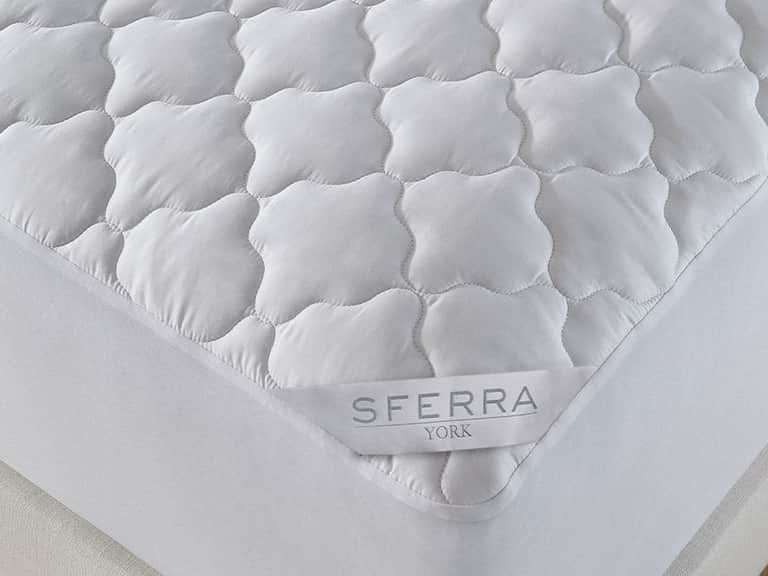
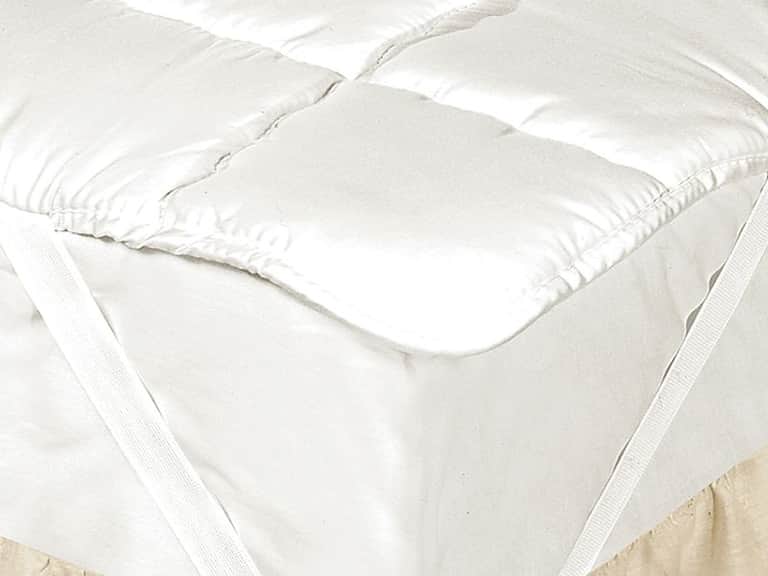
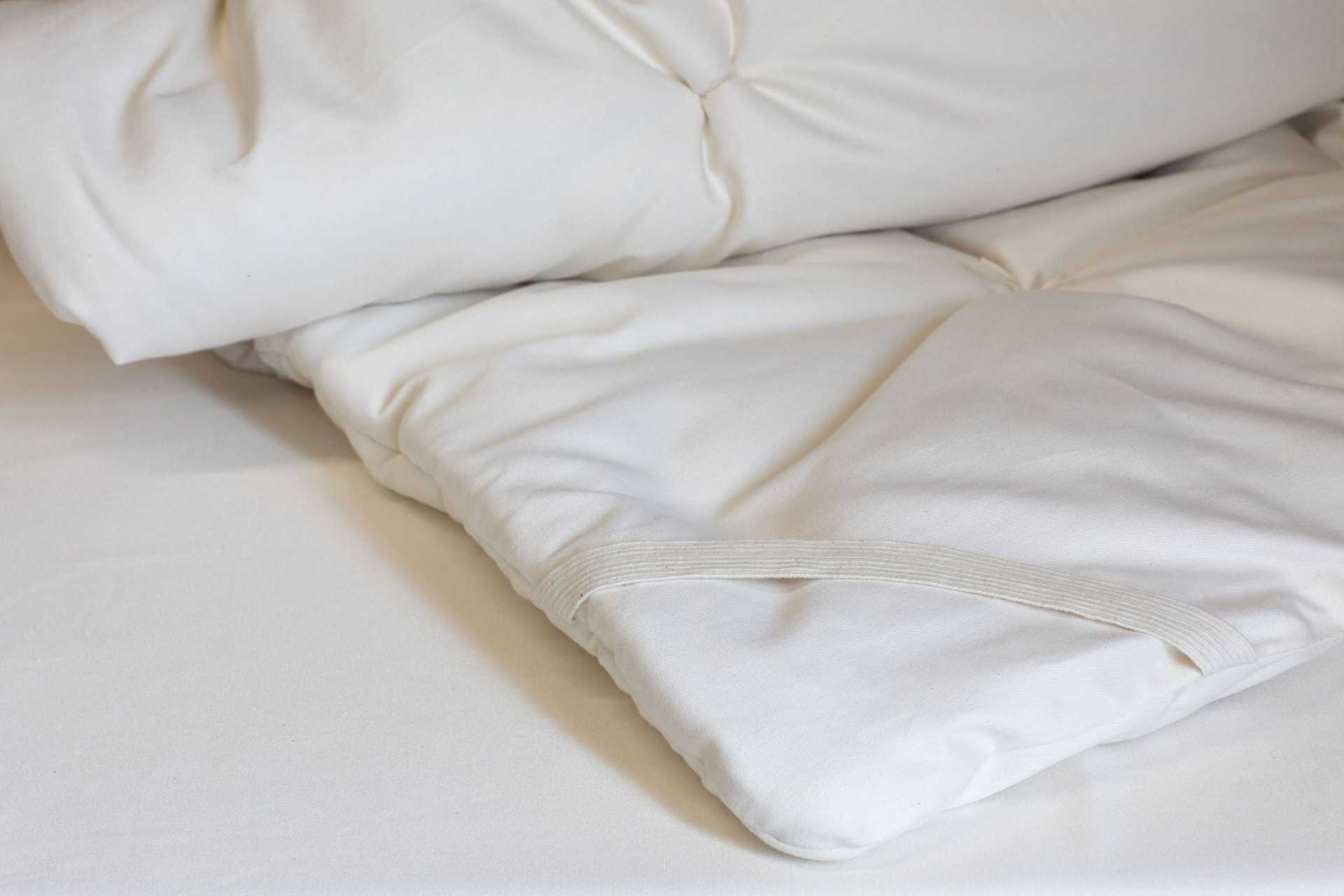
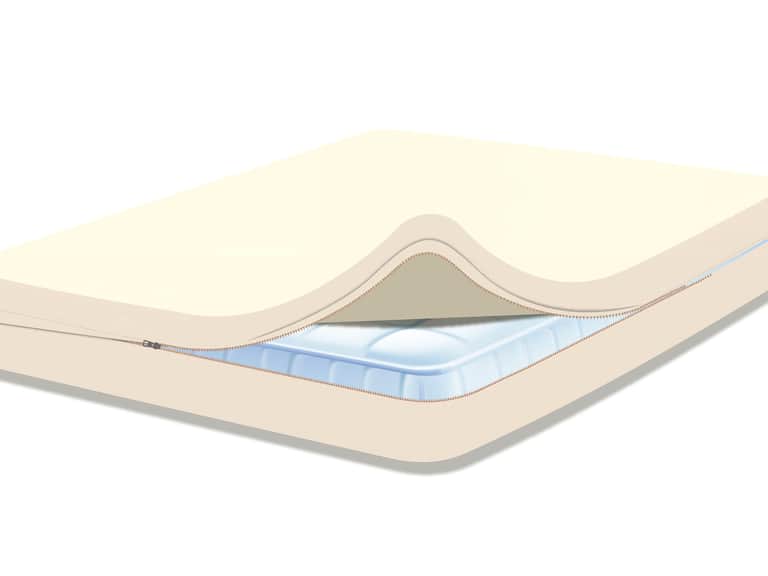
Monmouth Mattress Pad exemplifies a protective bedding option that emphasizes practical functionality and care. Features such as quilted construction, moisture resistance, and easy-care fabrics address everyday sleep safety and longevity. Understanding such mattress pads helps users evaluate how padding and cover materials contribute to comfort and mattress longevity.
 Bedding