In the pursuit of slumber worthy of a couture moment, the secret often lies in the fabrics that cradle us as we drift. Mattress materials are not mere components; they are the luxury fabrics of our sleep, shaping contour, density, temperature, and resilience. From memory foam that hugs the curves of the body to natural latex that breathes with you through the night, each fiber and foam invites a distinct sleep personality. This guide dances through the science of sleep and the sensation of rest, translating complex material science into elegant shopping wisdom.
You’ll encounter a spectrum: memory foam, latex, innerspring cores, and natural fibers. Each material carries a philosophy of support and a promise of comfort. The best mattress for you is not simply the firmest or the softest; it is the one that harmonizes with your sleeping position, body weight distribution, and even your skin’s sensitivity to heat and humidity. Our aim here is to illuminate how these materials behave in real life, how they interact with your sleep posture, and how they can be chosen to optimize health — from spinal alignment to temperature regulation.
Core Mattress Materials: Feel, Function, and Health
The journey begins with memory foam. Its core strength is contouring: a viscoelastic memory foam layer slowly shapes to the head, neck, and shoulders, encouraging targeted pressure relief. Sleep enthusiasts with shoulder pain or neck stiffness often greet memory foam as a trusted ally because it minimizes motion transfer while offering a secure cradle. Yet memory foam has a heat personality. Traditional foams can trap heat; modern formulations and open-cell structures mitigate this, but temperature remain an essential consideration for hot sleepers.
Latex, whether Dunlop or Talalay, offers a distinct balance. It’s naturally more buoyant than memory foam, with a springy response that supports spinal alignment without the “sinking” feel. Natural latex is favored by sleepers who crave responsiveness along with breathability. The porous structure invites airflow, helping regulate temperature and prevent heat buildup. For those with allergies or sensitivities, organic latex paired with organic cotton covers can deliver a clean, toxin-free sleep experience.
Innerspring cores, the classic backbone of many mattresses, deliver durability and a familiar feel. They often incorporate zoned support to align the spine along its natural curves. The layers above and below the springs — whether coils lined with wool, cotton, or foams — influence the ultimate mood of the sleep surface: plush, luxurious, or firm and foundational.
Natural fibers and organic materials represent a different ethos: sustainability and air, not just feel. Organic cotton, wool, horsehair, and bamboo fibers work in concert to wick moisture, regulate temperature, and create a breathable, hypoallergenic environment. These materials appeal to sleepers who value purity, transparency, and an uncompromising standard for environmental stewardship.
Temperature Regulation: The Quiet Science of Comfort
Temperature is not merely a backdrop to sleep—it’s a co-star. Materials with dynamic breathability and moisture management create a climate-controlled stage for rest. Memory foam’s closed-cell structure can trap heat, prompting some sleepers to seek ventilated foams or hybrid configurations with cooling gels. Latex’s open-cell architecture and natural elasticity usher in airflow, often resulting in a cooler feel. Organic cottons and wools are celebrated for their breathability and moisture-wicking properties, helping you stay drier through the night.
Temperature regulation also intersects with sleep stage quality. When you sleep, your body’s temperature dips to transition from wakefulness to deeper sleep stages. A surface that helps regulate heat supports that transition, promoting longer periods of restorative sleep. The right material choice can meaningfully influence this thermal choreography, making the decision about a mattress a decision about your daily energy and mood.
Durability, Longevity, and Care: A Long-Term Love Story
Durability is the quiet luxury of a mattress. A well-chosen material resists sagging, maintains support, and preserves form across years of use. Latex, particularly natural variants, tends to hold shape longer than many foams due to its inherent resilience. Memory foam can also be remarkably durable when properly supported and ventilated, but temperature and density play starring roles in how long it maintains its feel.
Care routines—vacuuming, occasional turning, and using breathable, certified covers—extend the life of your mattress. The right protector, free from vinyl and harsh chemicals, preserves the surface integrity and moisture handling capabilities of your chosen materials. The ultimate goal is a sleep surface that endures with grace, aging like a fine garment rather than a disposable accessory.
Key Voices Across Time: 3 Visionaries of Sleep and Comfort
No conversation about comfort is complete without stepping into the shoes of remarkable minds who shaped how we think about rest. Here are three pivotal figures from different eras whose ideas echo in today’s sleep innovations.
-
Hypnos (Ancient Greece) — The mythic god of sleep embodies the primal desire for rest and repose. While not a scientist in the modern sense, Hypnos represents the timeless human pursuit of a comforting, undisturbed night. His story invites us to consider the ritual of sleep as sacred—an attitude echoed in contemporary spa-like bedrooms that prioritize calm, dark, and quiet environments.
A mythological lens reminds us that sleep quality has always been a cornerstone of well-being, long before empirical laboratories existed.
-
Henry Ford (20th century) — Mass Manufacturing and Comfort — Though celebrated for the assembly line, Ford’s influence extends to standardization and customer-focused design. In the sleep world, this translates to the democratization of comfort: consistently engineered components, uniform quality, and accessible luxury. The modern mattress industry borrows from Ford’s ethos by refining production so premium materials like latex and premium memory foams become widely available without sacrificing performance.
Ford’s legacy of consistency underpins the reliability we seek in sleep surfaces today.
-
Dr. William C. Dement (20th century) — Sleep Science Pioneer — A founder of modern sleep medicine, Dement emphasized the architecture of sleep stages, circadian rhythms, and the health implications of sleep quality. His work anchors the understanding that mattress materials matter not only for comfort but for sleep health—supporting spinal alignment, breathing, and heat regulation that influence how well we navigate REM and deep sleep.
Dement’s legacy anchors consumer choices in evidence-based sleep well-being.
Shopping Guidance: Translating Science into Your Bedroom
When selecting a mattress, translate science into sensory experience. Here are practical steps to evaluate feel, durability, and temperature during in-store trials:
- Assess contour with your body on a representative pressure map—notice where weight sinks and where support persists.
- Test across sleep positions for at least 15 minutes per posture to understand how the surface adapts to shifts in stance and torso alignment.
- Evaluate temperature dynamics by asking about cover materials, foam density, and any cooling technologies integrated into the design.
- Consider a hybrid approach: a latex or memory-foam comfort layer atop springs can deliver responsive support with breathable airflow.
- Pair the mattress with a compatible protector and breathable sheets to preserve the intended material performance.
Product Spotlight: A Pinnacle of Comfort
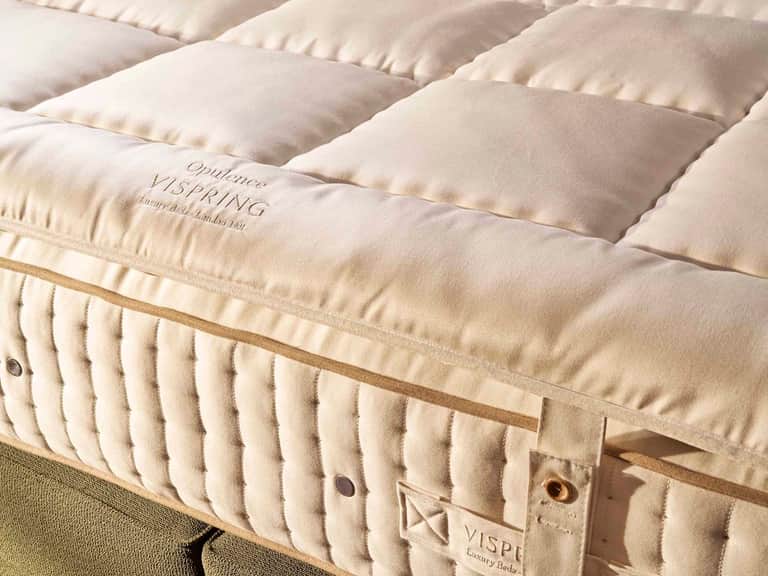
Vispring Opulence Mattress Topper
A couture layer of indulgence, the Vispring Opulence Topper elevates any sleep surface with platinum-certified British fleece wool, soft-needled British wool, and silk. This topper offers pressure relief, body contouring, and a whisper-light cushion that redefines luxury sleep. Eight secure straps ensure a steadfast fit, letting you glide into a night of restorative serenity.
Price: $2,320.00
Brand: Vispring
Materials: Platinum-certified wool, silk, luxury blends
Height: 3.1 inches
Note: Availability may vary by region. This topper exemplifies the extreme end of luxury materials that prioritize temperature regulation, loft, and contouring.